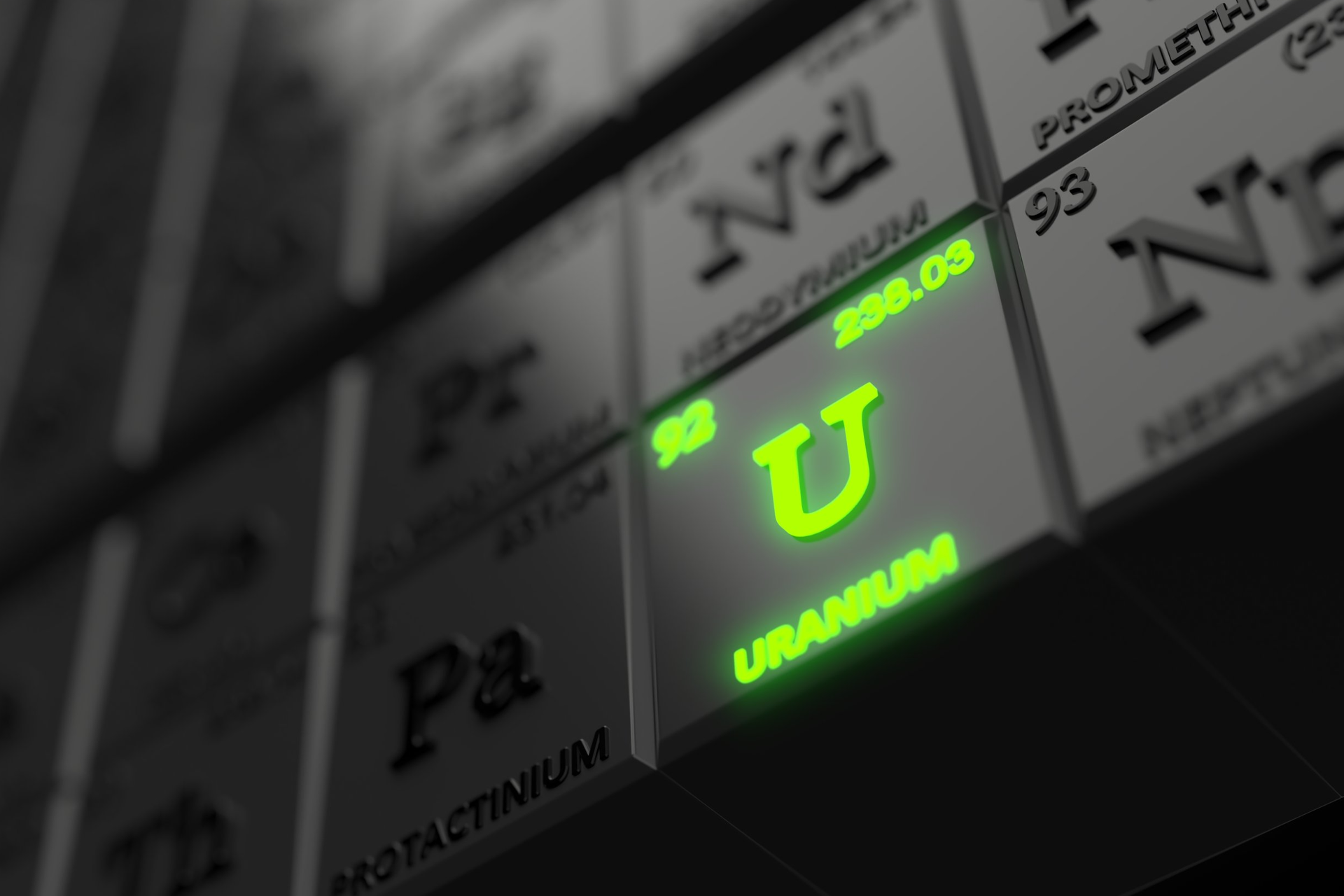
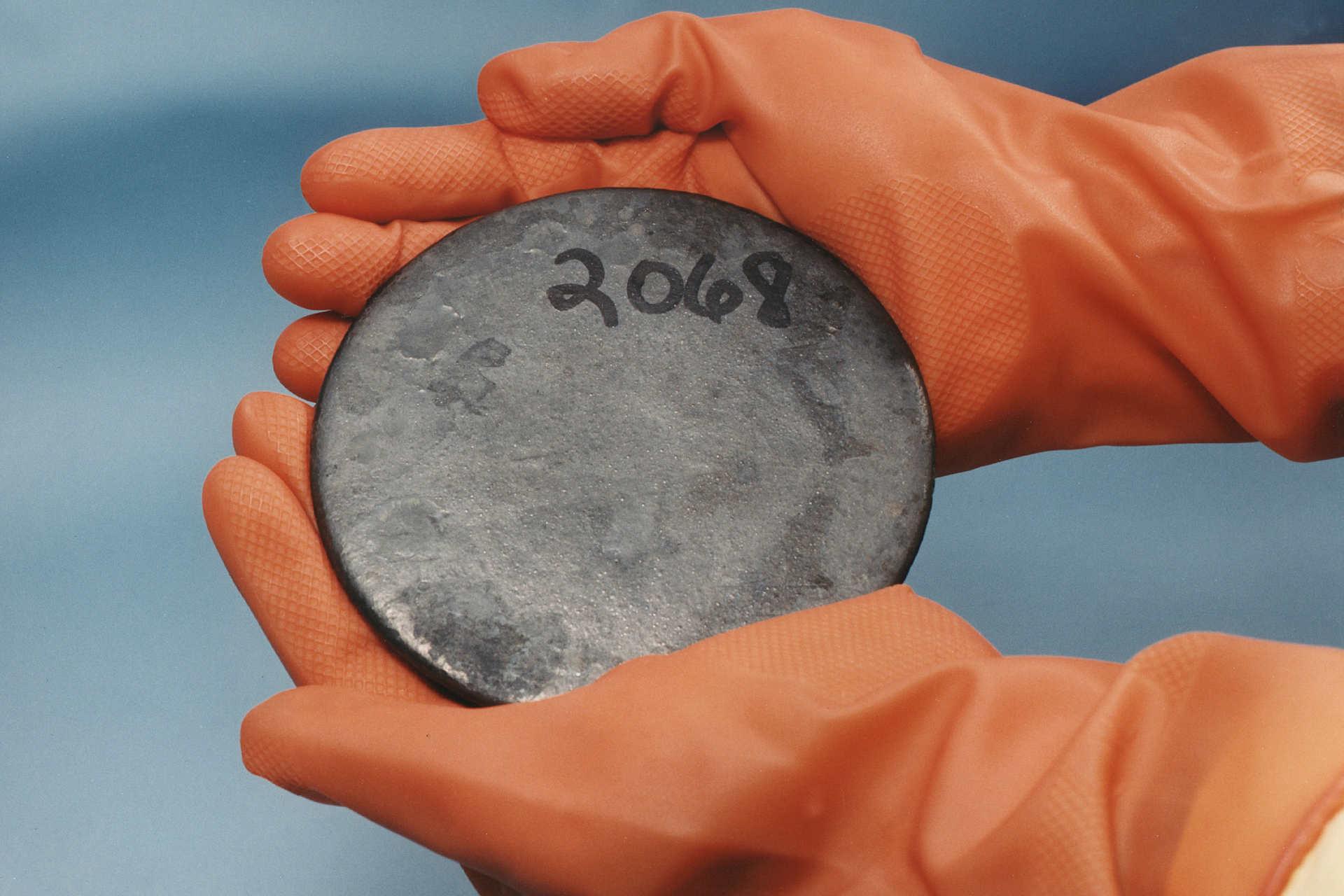
The U.S. currently depends heavily on imported enriched uranium, particularly from Russia and China, a vulnerability Wright called “sad” during his Senate confirmation hearing in January 2025. With Russia restricting uranium exports in retaliation to a 2024 U.S. ban set to phase out imports by 2028, the need for a robust domestic supply chain is urgent. Wright emphasized that expanding the uranium reserve will support both existing large reactors and emerging small modular reactors (SMRs), which are critical to meeting growing electricity needs.
The rise of AI data centers, which consume vast amounts of power, is a key driver. Tech companies like OpenAI, Oracle, and SoftBank are signing nuclear energy deals to fuel AI development, as noted in Wright’s remarks. Nuclear power, providing nearly 20% of U.S. electricity since 1990, is seen as a reliable, low-carbon solution to this demand, unlike intermittent renewables. By increasing domestic uranium stocks, the U.S. aims to ensure energy security and reduce geopolitical risks.
Nuclear Stocks Surge and Industry Impacts
The announcement sparked a rally in nuclear-related stocks, with Oklo rising 13%, Nano Nuclear 12%, Uranium Energy 9%, and NexGen Energy 9% on September 16, 2025. These gains reflect investor confidence in nuclear’s resurgence, driven by Wright’s leadership and his ties to Oklo, where he previously served on the board alongside OpenAI CEO Sam Altman. The Department of Energy’s (DOE) efforts, including allocating high-assay low-enriched uranium (HALEU) to advanced reactor developers in April 2025, further bolster the sector.
However, challenges remain. Uranium mining and milling face environmental scrutiny due to legacy contamination in western U.S. states and Native American lands. Nuclear waste management is another hurdle, with over 2,000 metric tons of spent fuel produced annually and no permanent storage solution since the Yucca Mountain project stalled. Wright has acknowledged these issues, advocating for creative storage solutions and community engagement to address local concerns, as discussed in his Senate testimony.
AI and Fusion: A Bold Vision
Wright’s optimism extends beyond fission to nuclear fusion, which he claims could power grids within eight to 15 years, driven by AI advancements in national labs and private companies. Speaking to the BBC in Brussels, he predicted that AI would unlock fusion’s potential, reducing greenhouse gas emissions significantly. While most scientists view commercial fusion as decades away, Wright’s confidence aligns with his broader vision of a U.S.-led nuclear renaissance, including modernized regulations and expedited reactor approvals under President Trump’s executive orders.
The DOE’s actions, such as approving 9.5 Bcf/d of LNG exports and restarting the Palisades Nuclear Plant in Michigan, demonstrate a commitment to expanding nuclear capacity. Wright’s visits to national labs like Oak Ridge and Jefferson Lab in 2025 highlight efforts to integrate AI and nuclear innovation, positioning the U.S. as a global leader.
Challenges and Criticisms
Wright’s approach has drawn criticism, particularly his skepticism of mainstream climate science. His claim that “there is no climate crisis” and his support for a DOE report downplaying climate threats have been challenged by over 85 scientists for cherry-picking data. Critics, like Jean Su from the Center for Biological Diversity, argue that Wright’s fossil fuel ties—he’s the former CEO of Liberty Energy—could prioritize oil and gas over renewables, potentially undermining clean energy progress.
Environmentalists also raise concerns about uranium mining’s impact and the lack of long-term waste solutions. Wright’s push for private capital in uranium enrichment, citing startups like General Matter, aims to address supply chain gaps but risks regulatory and safety challenges. Balancing these issues with nuclear’s growth will be critical for public and investor confidence.
What This Means for 2025
For consumers and businesses, an expanded uranium reserve could stabilize energy prices and support AI-driven industries, from healthcare to national security. The DOE’s goal of adding 300 gigawatts of nuclear capacity by 2050, backed by streamlined licensing and SMR deployments, promises long-term energy reliability. Investors can explore opportunities in companies like Centrus Energy, which operates one of only two U.S. enrichment facilities, or startups like Aalo Atomics, which recently broke ground on a 50-MWe reactor.
As the federal EV tax credit expires in September 2025, nuclear’s role as a clean energy source becomes even more critical, especially for data centers. Consumers should monitor DOE announcements and stock market trends for nuclear firms, with updates expected at Friday’s energy sector briefings. For now, Wright’s strategy signals a transformative era for U.S. nuclear power.