The Megapack 3 builds on the success of its predecessors, introducing significant upgrades to meet growing global demand for energy storage. At its core are larger 2.8-liter battery cells, a leap from the previous generation, boosting energy capacity to approximately 5 megawatt-hours (MWh) per unit, compared to 3.9 MWh for the Megapack 2. This increase allows more energy to be stored in a single container-sized system, making it ideal for utility-scale projects like solar farms and wind energy grids.
Tesla also streamlined the Megapack 3’s thermal bay, slashing the number of connections by 78%. This simplification enhances reliability and reduces maintenance, critical for projects operating in remote or harsh environments. According to Mike Snyder, Tesla’s vice president of energy and charging, these advancements make the Megapack 3 a cornerstone of the company’s mission to achieve “sustainable abundance” by balancing renewable energy production and grid demand.
Megablock: Plug-and-Play Power
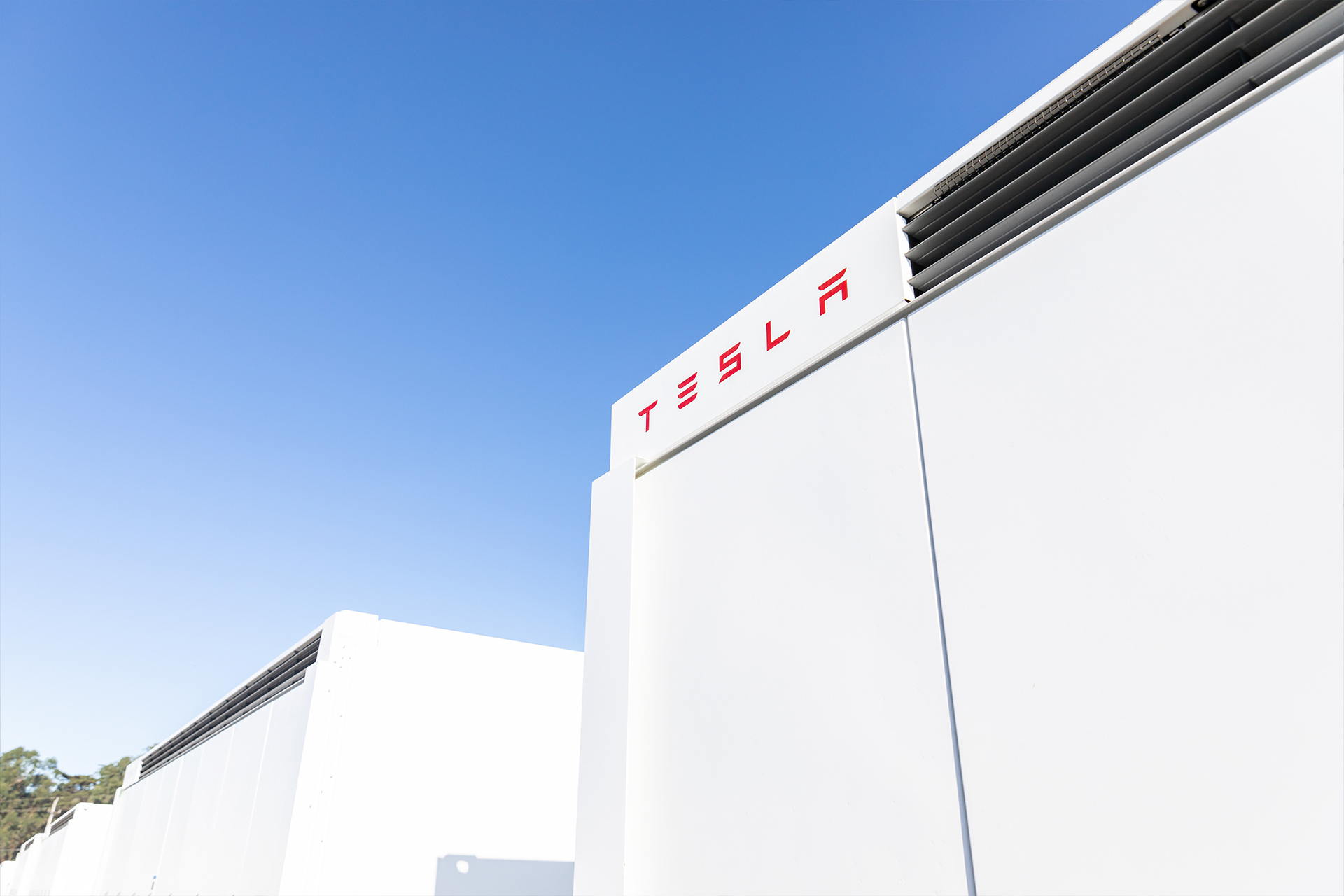
The standout announcement was the Megablock, a modular system that combines four Megapack 3 units with a megavolt transformer and switchgear, all pre-assembled at the factory. This design eliminates the need for extensive on-site cabling, enabling a 23% faster installation process and cutting construction costs by up to 40%. Snyder highlighted the Megablock’s efficiency, claiming Tesla can now deploy 1 gigawatt-hour (GWh) of storage in just 20 business days, a feat that could power entire communities during peak demand.
The Megablock also boasts an impressive energy density of 248 MWh per acre, maximizing the use of limited land. With a promised lifespan of 25 years and over 10,000 charge-discharge cycles at 91% round-trip efficiency, it’s built for long-term reliability. Social media posts from attendees at the unveiling described the Megablock’s scale as staggering, with one noting that a single battery module weighs as much as a Tesla Cybertruck.
Scaling Production in Houston
Tesla plans to manufacture the Megapack 3 at its new Megafactory in Houston, with production slated to begin in late 2026. The facility, announced earlier this year, is expected to produce 50 GWh annually, enough to power millions of homes during peak usage. This expansion builds on Tesla’s existing Megafactories in California and Shanghai, which have already driven significant growth in its energy storage business, deploying 31.4 GWh in 2024 alone—a 100% increase from the previous year.
However, Tesla’s reliance on external battery cell suppliers like BYD and CATL, who are developing competing storage systems, poses a challenge. CATL’s Tener, for instance, offers 60% more energy capacity than the Megapack 2, highlighting the intensifying competition in the sector. Tesla’s ability to innovate and scale production will be critical to maintaining its edge.
Real-World Impact and Industry Trends
The Megablock and Megapack 3 are designed to support the global shift to renewables, where energy storage is key to managing intermittent sources like solar and wind. By storing energy when production is high and releasing it during demand spikes, these systems stabilize grids and reduce reliance on fossil fuels. Projects like the 877 MWh battery in Western Australia and Europe’s largest Megapack installation in Belgium demonstrate Tesla’s growing footprint in utility-scale storage.
The broader industry is racing to keep up with demand. The U.S. solar and storage sector added 18 gigawatts of capacity in the first half of 2025, with storage accounting for a significant portion. Tesla’s innovations could help meet this demand, but the company faces pressure to lower costs—having already reduced Megapack prices from $1.5 million to $1 million in recent years—to stay competitive.
The Future of Energy Storage
Tesla’s Megablock and Megapack 3 signal a new era for energy storage, where speed, scale, and efficiency are paramount. By simplifying installation and boosting capacity, these systems could accelerate the adoption of clean energy worldwide. As Tesla ramps up production and navigates a competitive landscape, its latest offerings underscore a commitment to reshaping how the world stores and uses power.