Spotify reported that it paid out more than $11 billion in royalties to the music industry in 2025, marking the largest annual payout to music from any digital retailer and a year-over-year increase of more than 10 percent. The streaming service said independent artists, labels, and distributors together accounted for roughly half of the total payouts, reflecting the breadth of its contribution across the recorded-music ecosystem. Spotify emphasized that as its subscription revenue grows, so do the payouts it makes to rights-holders around the world.
Spotify’s payout figures cover royalties that are first paid to rights holders — including record companies, publishers, and performance rights organizations — which then distribute income to individual artists under contractual agreements. Approximately 70 percent of Spotify’s music revenue is directed back to the music industry, a model that ties the company’s financial performance to the size of its royalty payments. Subscriptions remain the primary revenue source, supported by recent price increases and growth in markets worldwide, while Spotify also invests in diverse content formats such as podcasts and audiobooks.
Spotify’s influence on global recorded-music revenue is significant, with data indicating the platform accounts for roughly 30 percent of total recorded music income, underscoring its role in shaping industry economics. As the streaming market continues to evolve, Spotify’s payout trends provide insight into how digital distribution drives revenue for rights holders and supports long-term industry growth.
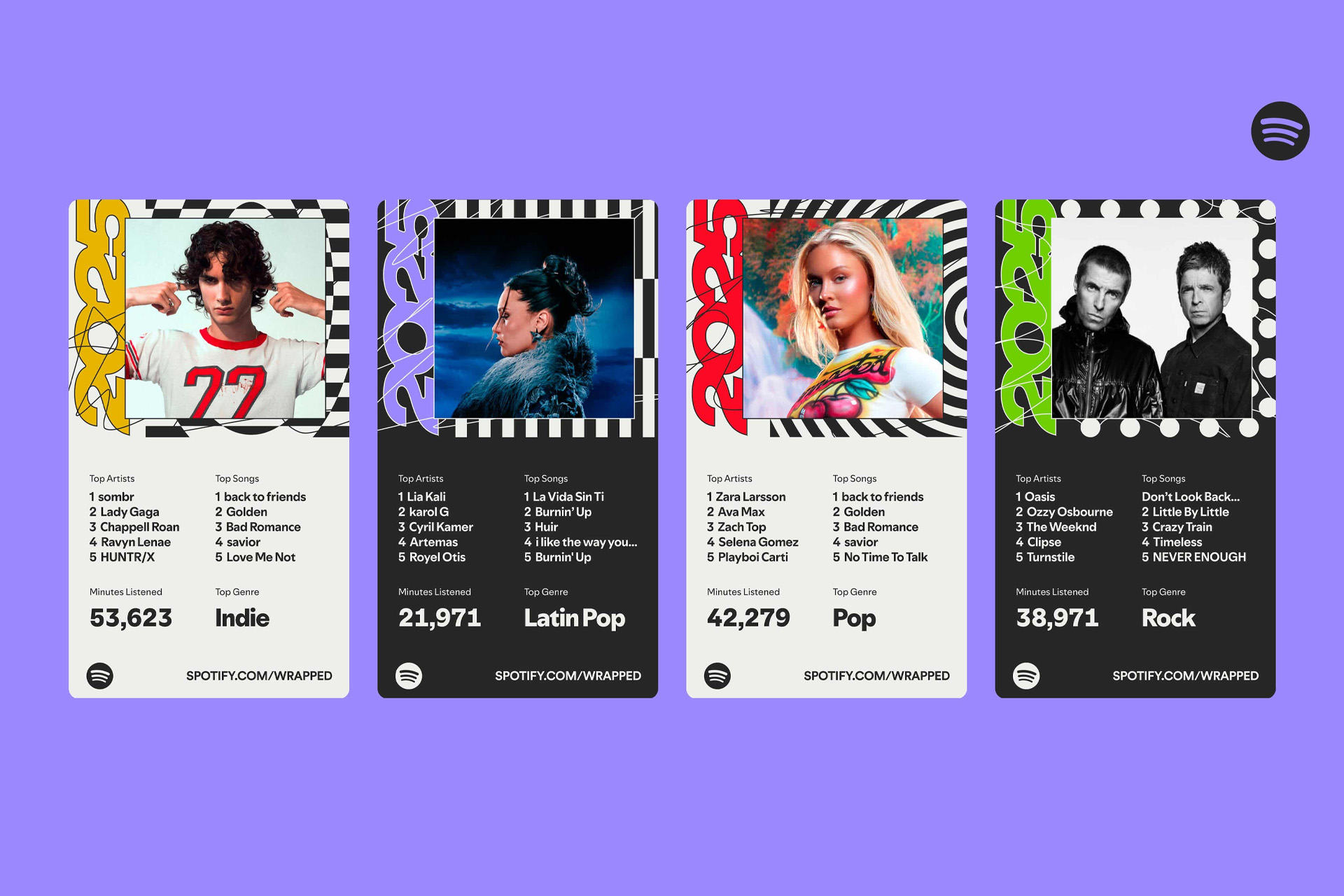
Independent Artists and Labels Shared in Royalties
Spotify highlighted that independent artists and smaller labels received about half of the $11 billion payout in 2025, a reflection of how digital platforms have broadened access to music revenue beyond major record companies. This distribution encompassed self-released music and output from independent entities, suggesting that streaming can serve as a meaningful source of income for a wide range of creators.
According to Spotify leadership, a growing number of creators generated six-figure incomes from streaming alone, with notable increases in artists earning more than $100,000 annually. This pattern aligns with broader changes in how music is monetized, including the role of digital distribution in allowing artists to reach global audiences without traditional label infrastructure.
Spotify’s payout strategy aims to balance revenue distribution across a wide creator base while also investing in platform features designed to enhance artist visibility and engagement. As the global music landscape continues to shift, independent contributors remain a central part of streaming revenue dynamics.
Revenue Drivers and Business Strategy
Spotify attributed the record-setting payouts in part to an expanding subscriber base and adjustments in subscription pricing in key markets, including increases to premium plan costs. These strategic pricing decisions were accompanied by efforts to grow platform engagement through enhancements to user experience and expanded content offerings beyond music, such as podcasts and audiobooks.
The streaming service’s business model is built on allocating a substantial portion of its revenue back to rights holders, which links payout totals closely to overall revenue performance. As Spotify’s user base and revenue have increased, so too have the total payout figures, illustrating how platform growth and monetization strategies influence the scale of industry royalties.
While Spotify’s aggregated payout numbers draw attention, royalty economics remain complex because payments flow first to rights holders, who then distribute funds according to individual artist contracts and agreements. This revenue structure means that the amount individual musicians receive can vary significantly based on their specific contractual terms with labels, publishers, and distributors.

Platform Challenges and Future Initiatives
Spotify has acknowledged challenges related to fraudulent streams, AI-generated content, and instances of exploitation that can distort metrics used for royalty distribution. To address these issues, the company plans updates to its artist verification and song-credit systems to improve the accuracy of tracking and ensure fairer outcomes for creators.
These platform integrity efforts are part of a broader initiative to strengthen the reliability of streaming data and bolster confidence in how royalties are calculated and distributed. By enhancing verification mechanisms and improving metadata accuracy, Spotify aims to reduce exploitation and better support legitimate artists in a complex digital environment.
