


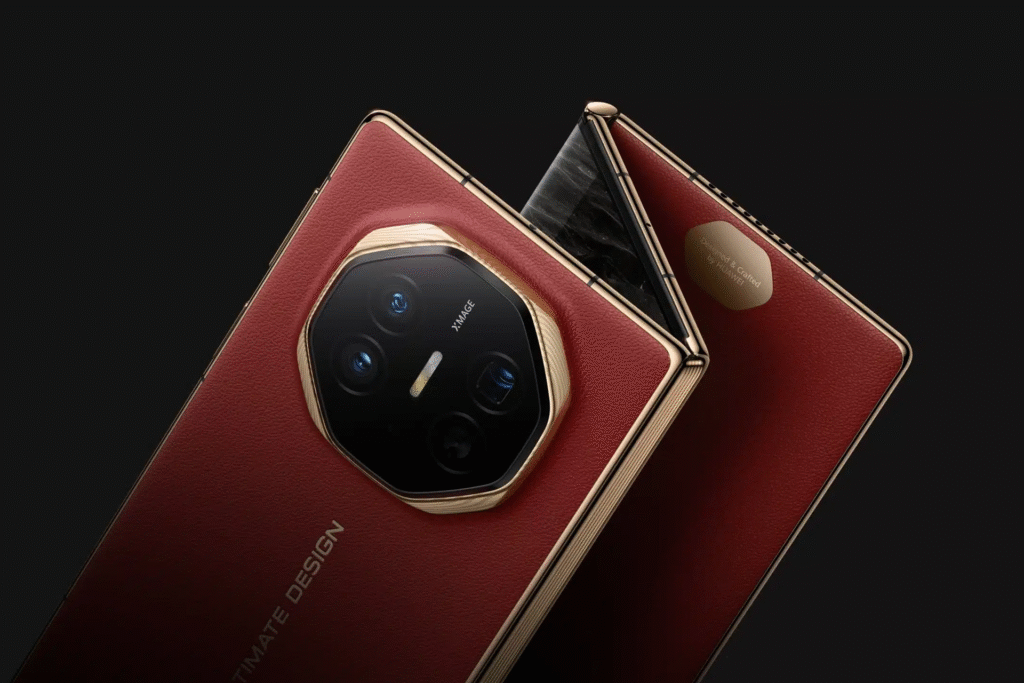
The foldable smartphone market is entering a new phase as forecasts for 2026 point to one of the strongest growth years since the category first emerged. After several years of gradual adoption and cautious consumer interest, foldable devices are expected to see a significant increase in shipments and revenue, driven by improved hardware reliability, wider product availability, and growing confidence among buyers who previously viewed the form factor as experimental.
Industry projections suggest foldable smartphones will grow by roughly 30% in 2026 compared with the previous year. While foldables still represent a small share of total smartphone shipments, this pace of growth outstrips the broader smartphone market, which has largely stabilized after years of contraction and modest rebounds. The contrast highlights how foldables are increasingly positioned as one of the few segments delivering meaningful momentum within a mature industry.
Hardware Maturity Changes Consumer Perception
One of the key reasons behind the expected surge in foldable smartphone market growth is hardware maturity. Early foldable devices faced skepticism due to concerns around durability, visible creases, hinge longevity, and battery efficiency. Over successive product generations, manufacturers have refined materials, hinge mechanisms, and display layers, reducing many of the issues that initially limited appeal.
Newer foldable phones are thinner, lighter, and more resistant to wear than their predecessors. Improved folding mechanisms distribute stress more evenly across the display, while advances in ultra-thin glass and encapsulation techniques have improved both visual consistency and long-term reliability. As a result, foldables increasingly resemble conventional premium smartphones in daily use, rather than fragile showcase devices.
Battery performance has also improved as chip efficiency advances and internal layouts are optimized for larger screens. These refinements make foldables more viable as primary devices rather than secondary or novelty purchases, broadening their potential audience.
Product Variety Expands the Addressable Market
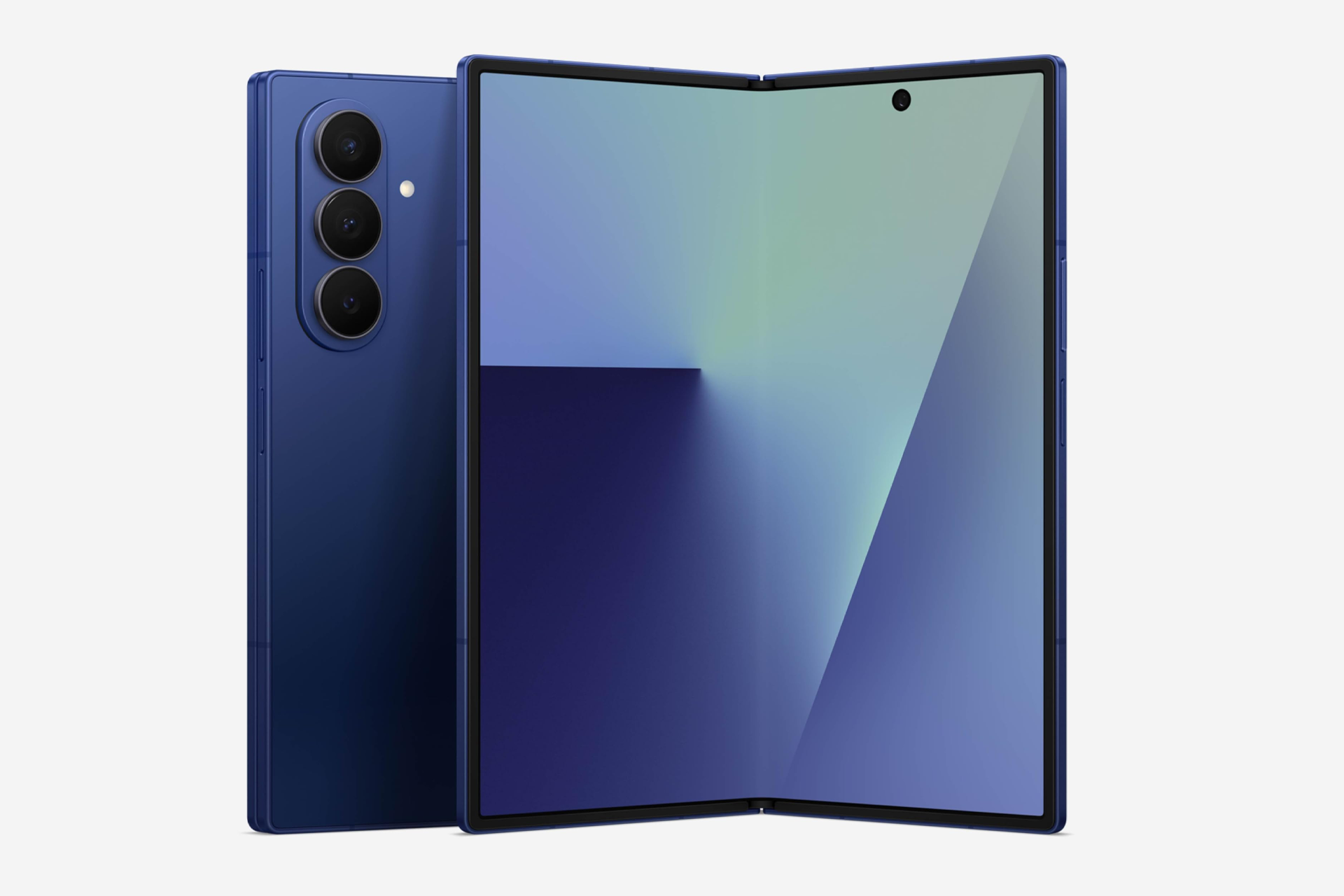
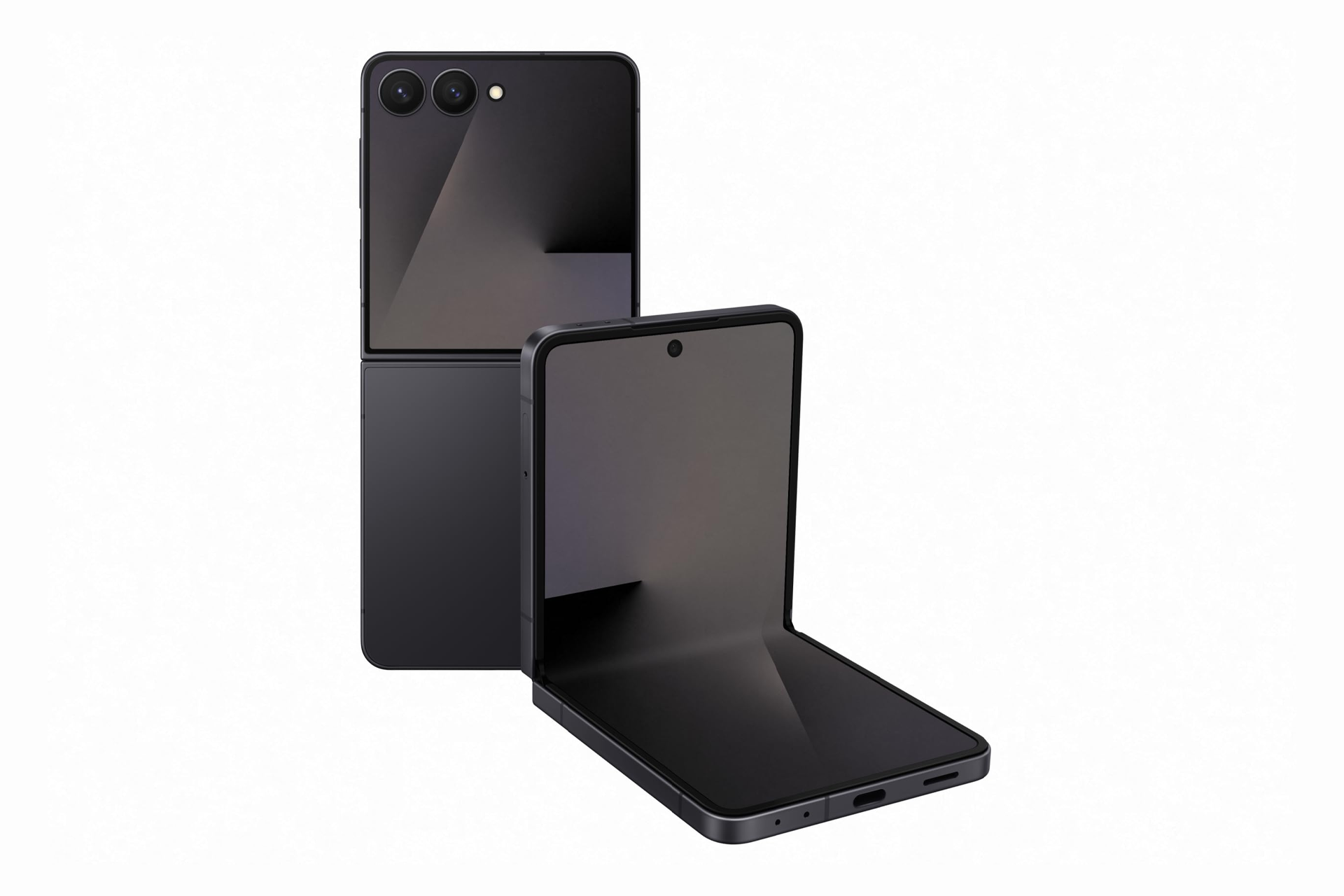
Another major factor shaping foldable smartphone market growth in 2026 is the expanding range of available designs. Early foldable offerings were limited to a small number of high-priced models, often targeted at enthusiasts or early adopters. Today, manufacturers are offering a wider mix of book-style foldables, compact flip designs, and devices positioned at different price tiers.
This diversification allows foldables to appeal to different usage patterns. Larger book-style devices target users who value multitasking, reading, and media consumption on a bigger screen, while compact flip models prioritize portability and style. As more brands enter the category or refresh existing lines, consumers have greater choice in balancing screen size, form factor, and cost.
Wider availability across regions also plays a role. Foldable devices are no longer limited to a handful of markets, and broader distribution increases visibility and consumer familiarity. As foldables become a regular presence in carrier stores and online retail channels, hesitation driven by unfamiliarity continues to decline.
Pricing and Value Perception Shift
Pricing remains one of the biggest barriers to foldable adoption, but market dynamics are gradually changing. While foldables still command premium prices, competition and scale are beginning to moderate costs. Incremental price reductions, promotional offers, and improved trade-in programs lower the effective entry point for consumers considering a foldable device.
At the same time, value perception has evolved. Consumers increasingly evaluate foldables not solely on price, but on functionality relative to owning multiple devices. A foldable smartphone that replaces the need for a separate tablet or secondary screen can justify a higher upfront cost for certain users. This shift in how value is assessed supports higher demand even without dramatic price drops.
Software Optimization Supports Growth
Software experience has historically lagged behind hardware in the foldable category. Early devices often relied on basic app scaling rather than purpose-built interfaces, limiting the usefulness of larger screens. Over time, operating systems and app developers have improved support for flexible displays, enabling better multitasking, adaptive layouts, and continuity between folded and unfolded states.
Improved software optimization reduces friction and makes foldables feel more intentional rather than compromised. As more apps handle dynamic screen changes smoothly, users gain confidence that foldable devices can support everyday workflows without constant adjustment or inconsistency. This progress is particularly important for productivity-focused users who expect stability and predictability from premium devices.
The Competitive Landscape Drives Momentum
Competition among major smartphone manufacturers is another driver of foldable smartphone market growth. Leading brands continue to refine their foldable lineups, while new entrants explore the category to differentiate themselves in a crowded market. This competitive pressure accelerates innovation and shortens upgrade cycles, pushing the category forward more rapidly than in its early years.
As foldables become a strategic focus rather than a side experiment, manufacturers allocate more resources to marketing, retail presence, and post-launch support. This visibility reinforces consumer confidence and positions foldables as a legitimate option rather than a curiosity.

Outlook Beyond 2026
While 2026 is expected to mark a significant acceleration, the foldable smartphone market’s longer-term trajectory depends on continued refinement rather than disruptive breakthroughs. Sustained growth will rely on incremental improvements to durability, battery life, software consistency, and affordability. The category’s success will be measured less by novelty and more by how seamlessly foldables integrate into daily life.
As foldable devices continue to mature, their role within the broader smartphone ecosystem becomes clearer. Rather than replacing traditional smartphones outright, foldables expand the range of form factors available to consumers, offering alternatives tailored to specific needs. The projected growth in 2026 reflects a market moving closer to stability, where foldables transition from emerging technology to an established segment with a defined audience and purpose.

