


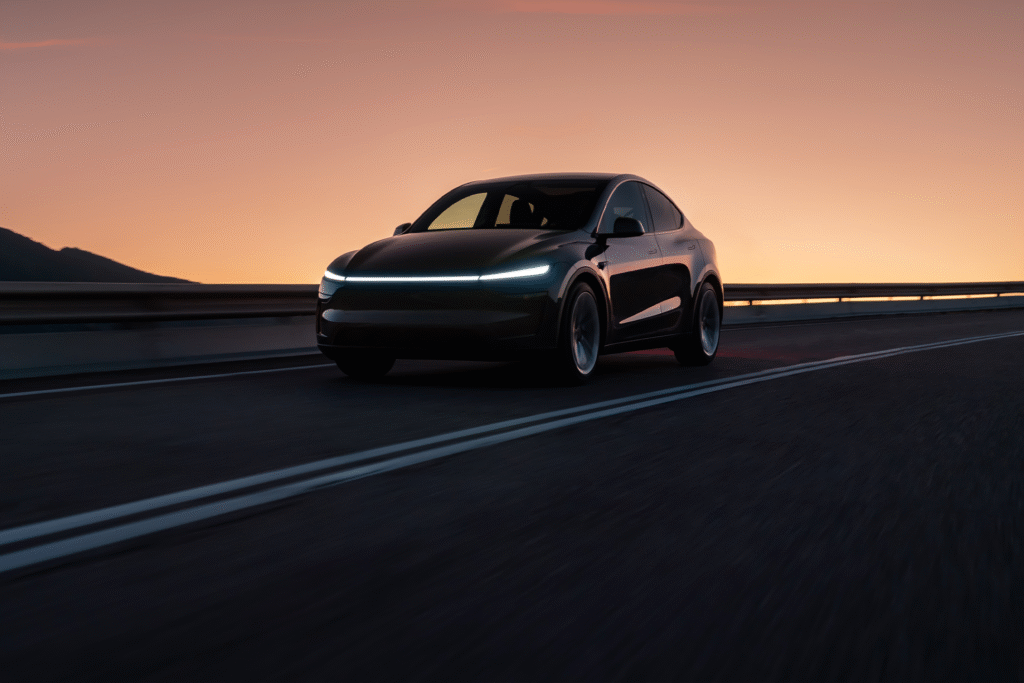
Tesla, Inc. is perhaps Elon Musk’s most globally visible enterprise and a leader in electric vehicle manufacturing, energy solutions, and artificial intelligence advancements. Tesla’s market capitalization has fluctuated around the trillion-dollar level, with some estimates citing values near $1.4 trillion—placing it among the world’s most valuable automakers and tech-linked companies.
Originally focused on accelerating the transition to sustainable transport with models such as the Model 3, Model Y, and performance variants, Tesla continues to expand into energy storage, solar products, and software-defined vehicle capabilities. The company is advancing autonomous driving technologies, robotics (including the Optimus humanoid), and a planned robotaxi fleet, highlighting a shift toward software and AI-enabled mobility platforms building on its EV base.
In 2026, Tesla is also investing heavily in artificial intelligence through strategic allocations to xAI, an AI research company linked to Musk’s broader vision for integrated AI platforms across devices and services. By aligning hardware innovation with advanced neural network development, Tesla is positioning itself at the intersection of mobility, automation, and next-generation computing.
SpaceX: Space Exploration and Connectivity
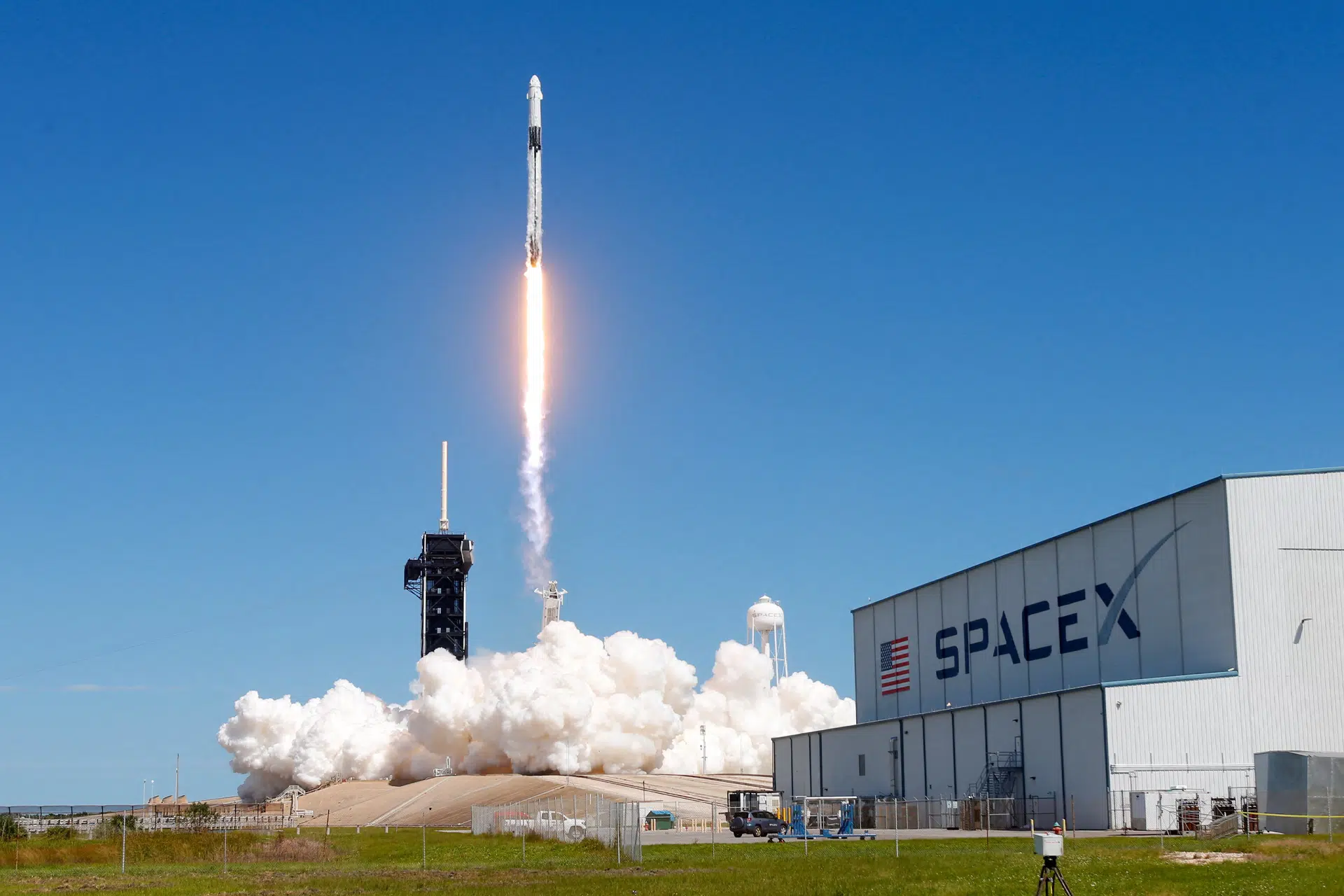
SpaceX (Space Exploration Technologies Corp.) is Musk’s aerospace enterprise that transformed commercial spaceflight through reusable rocket technology, significantly lowering launch costs and increasing mission cadence. Founded in 2002, SpaceX has developed the Falcon 9 and Falcon Heavy families, pioneered booster reuse, and continues to advance the Starship system for Mars-class missions.
SpaceX also operates Starlink, one of the largest satellite internet constellations, which provides broadband connectivity to millions of users worldwide. The rapid expansion of Starlink has contributed to SpaceX becoming one of the most valuable private companies globally, with valuations around $800 billion and potential public market valuations as high as $1.5 trillion ahead of a planned 2026 IPO.
The company’s vision extends beyond Earth orbit, with ambitious goals for lunar and Martian exploration infrastructure, in-space data centers, and broader commercial space services. SpaceX’s blend of hardware engineering, service delivery, and high-throughput connectivity systems places it at the forefront of the new space economy.
xAI and X: Artificial Intelligence and Social Platforms
xAI is Elon Musk’s artificial intelligence research company, focused on building advanced AI models and computing infrastructure. The firm has grown rapidly since its founding, with valuations estimated at over $230 billion and an expanded scope following the acquisition or integration of X (formerly Twitter), a major social network with hundreds of millions of active users.
By combining AI research with a global communications platform, Musk envisions a comprehensive ecosystem for AI distribution, data processing, and real-time user interaction. The integrated entity aims to leverage large-scale user data and computing power to compete with leading AI labs and reshape how intelligent systems are deployed across media, messaging, and digital services.
The combined X/xAI platform exemplifies Musk’s strategy of linking cutting-edge AI technology with global user engagement, creating opportunities for new monetization models and enhanced information systems that span personal, commercial, and enterprise applications.
Neuralink and The Boring Company: Neurotech and Infrastructure
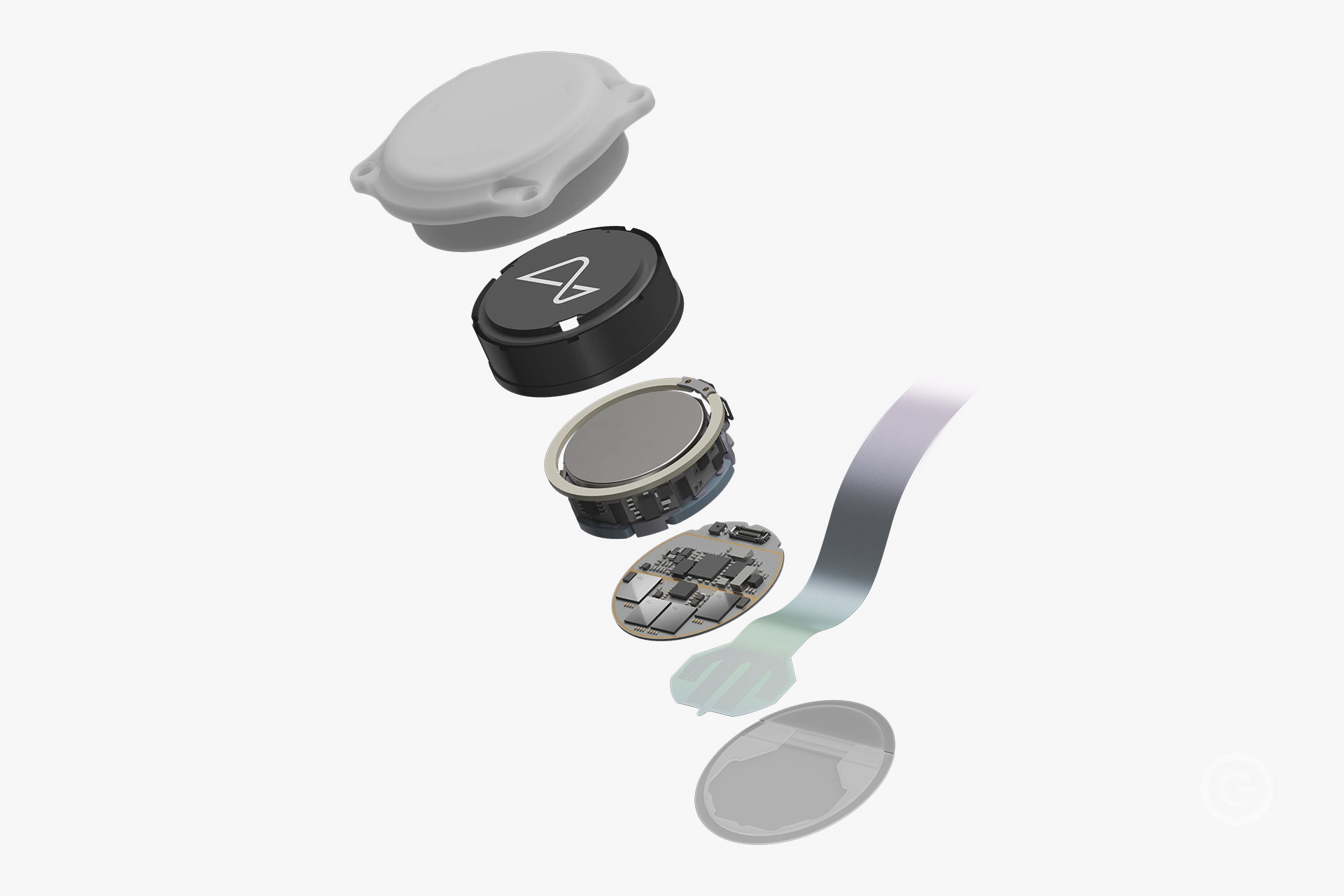
Neuralink is a neurotechnology company co-founded by Elon Musk with the mission of developing brain-machine interfaces that could transform medical treatments for neurological conditions and enhance human-computer interaction. The company has engaged in clinical trials of brain implant devices and is planning further advancements, with private valuations reported in the low billions of dollars range.
The Boring Company focuses on urban infrastructure and tunneling solutions designed to alleviate traffic congestion and facilitate high-speed subterranean transit networks. While smaller than Musk’s other enterprises in valuation, The Boring Company has completed pilot projects and is working on expanding technology that could reshape metropolitan transportation.
These ventures illustrate Musk’s interest in expanding human potential in both physical and neurological dimensions, applying engineering and innovation to domains that intersect with urban planning, health, and future mobility.

