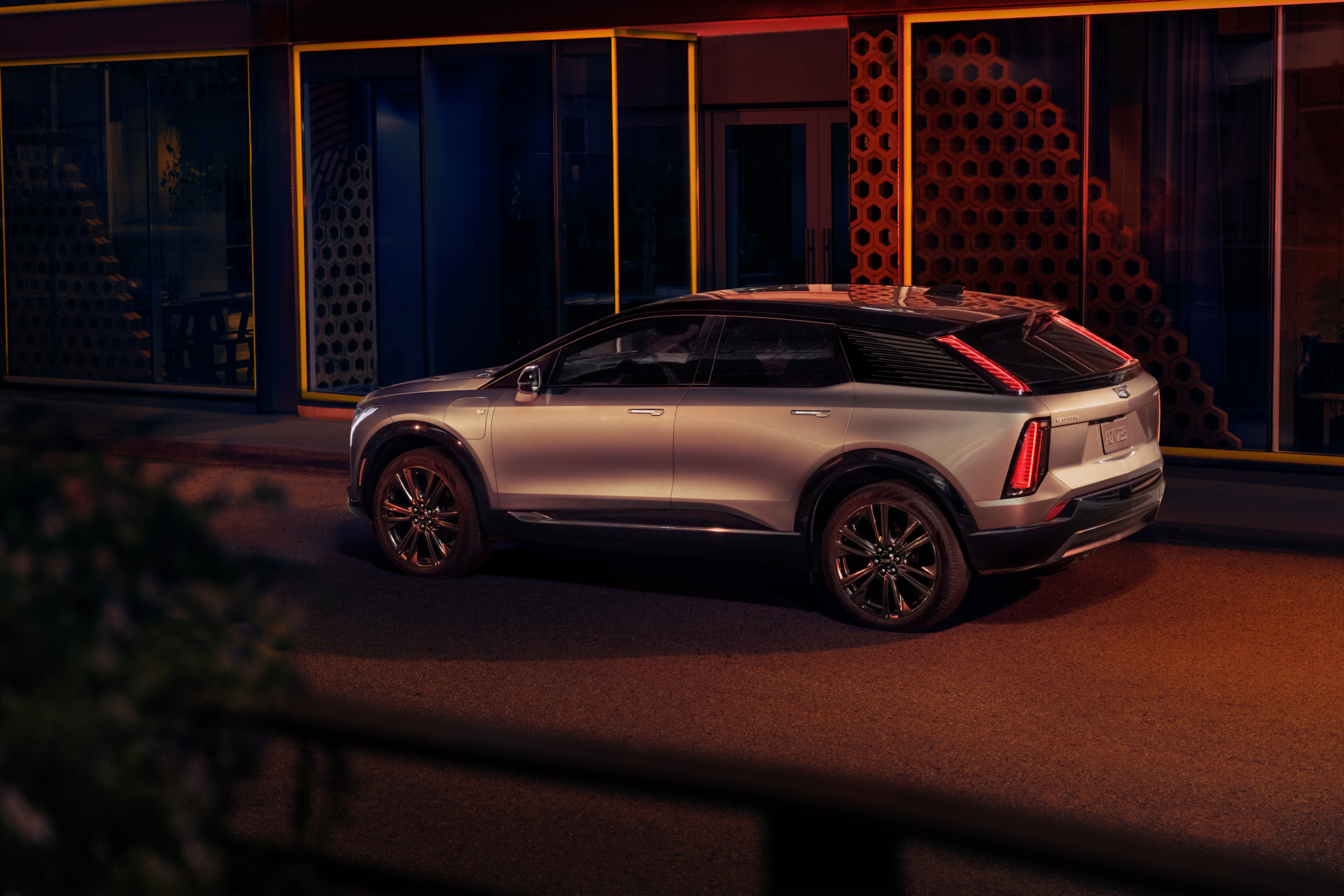
Recent tests by Edmunds highlight Cadillac’s electric SUVs outperforming their official EPA range figures. The 2025 Cadillac Optiq Sport 2, equipped with an 85 kWh battery, achieved 339 miles in real-world conditions, a 12% improvement over its 302-mile EPA estimate. Similarly, the three-row Vistiq 900 E4, powered by a 102 kWh battery, reached 334 miles—9% beyond its 305-mile EPA rating. These results showcase Cadillac’s ability to deliver practical range that alleviates concerns about long-distance travel.
Efficiency also shines through, with the Optiq achieving 29.8 kWh per 100 miles compared to the EPA’s 33 kWh, and the Vistiq performing comparably. The Escalade IQ, with a claimed 460-mile range, proved its mettle in a MotorTrend test, covering 400 miles from San Francisco to Los Angeles with charge to spare, even when using features like Super Cruise that consume additional power. These outcomes position Cadillac’s EVs as reliable options for road trips and daily commutes alike.
The Ultium Platform: Powering Cadillac’s Success
The backbone of Cadillac’s EV lineup is GM’s Ultium platform, which underpins models across its Chevy, GMC, and Cadillac brands. This modular architecture optimizes battery design and energy efficiency, delivering EPA-estimated ranges of at least 300 miles for most models. The platform’s flexibility allows Cadillac to offer a diverse lineup, from the entry-level Optiq to the massive Escalade IQ, catering to various luxury segments.
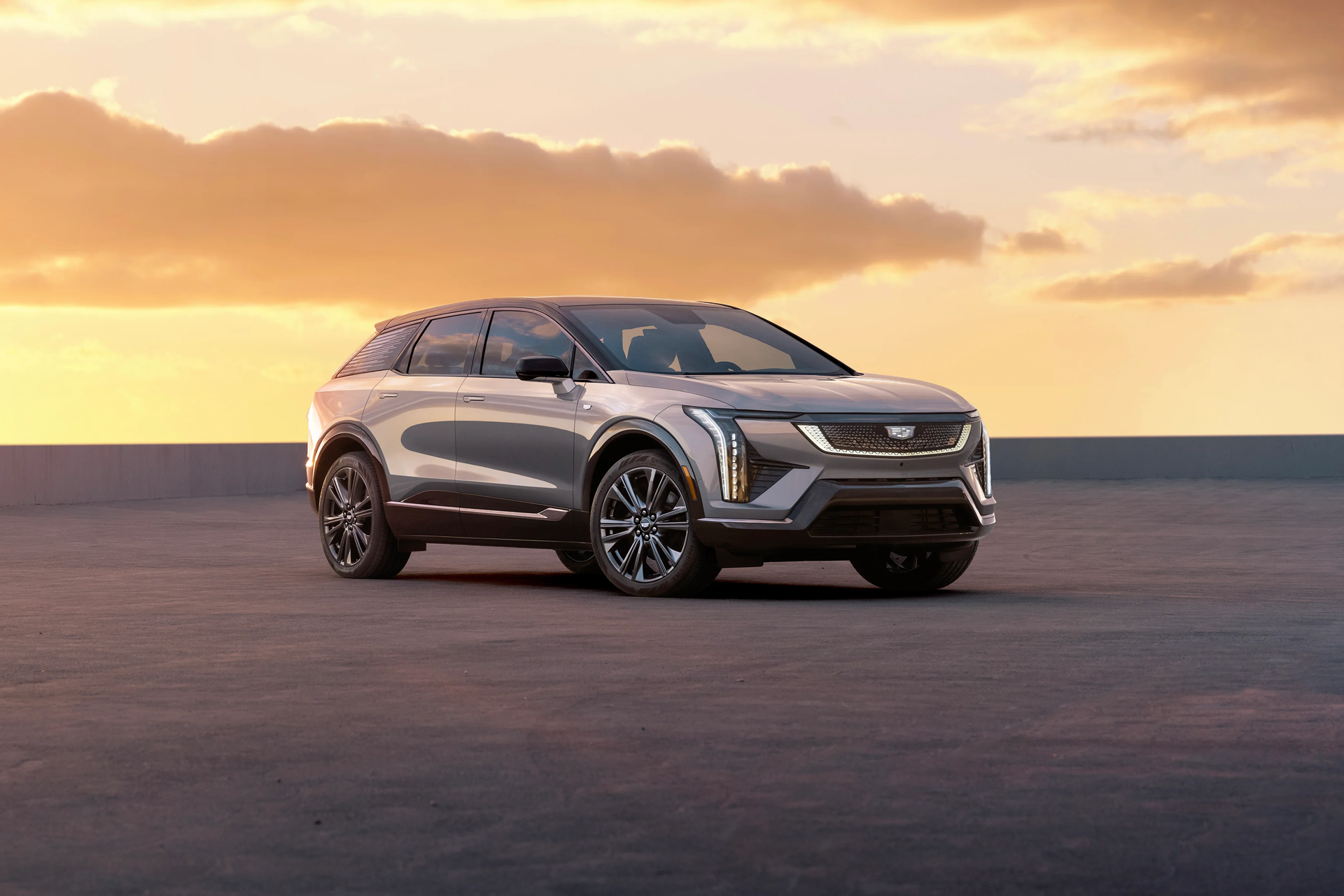
The Optiq, starting at $54,390, offers 300 miles of range and can gain 79 miles in 10 minutes with 150 kW DC fast charging. The Vistiq, priced at $78,790, provides three-row seating without sacrificing range, while the Escalade IQ, starting at $130,000, pushes boundaries with its 460-mile capability. The platform’s efficiency, combined with aerodynamic designs and advanced battery management, ensures Cadillac’s EVs exceed expectations in real-world scenarios.
Cadillac’s Market Momentum and Tesla Rivalry
Cadillac is riding a wave of success, with its best first-half sales since 2008, driven by a 62% increase in EV sales in Q2 2025, totaling over 11,700 units. The brand claims leadership in the U.S. luxury EV market, though it excludes Tesla due to its pricing structure. Notably, 70% of Cadillac EV buyers are new to the brand, with 25% coming from Tesla, up from 10-15% previously, according to Cadillac’s global marketing director, Brad Granz.
This conquest rate reflects Cadillac’s appeal to buyers seeking luxury and range without Tesla’s polarizing brand dynamics. The Optiq, roughly the size of a Tesla Model Y, offers competitive range and a premium interior, while the Lyriq’s 319-mile real-world range outperforms its 307-mile EPA estimate. With models like the high-performance Optiq V and ultra-luxury Celestiq joining the lineup, Cadillac is poised to challenge competitors like Porsche, Audi, and Mercedes-Benz.
Navigating Policy Changes and Incentives
The impending expiration of the $7,500 federal EV tax credit at the end of September 2025 adds urgency for buyers. Cadillac is countering with attractive deals, such as leases starting at $409 per month for the 2025 Optiq and $749 for the 2026 Vistiq. Most models qualify for at least $10,000 in credits, making now a strategic time to purchase. However, policy shifts under the Trump administration, including raised tariffs and a potential hybrid focus, could impact long-term EV adoption, as noted by AutoForecast Solutions’ Sam Fiorani.
Despite these challenges, Cadillac’s U.S.-based production (except for the Mexico-built Optiq) positions it favorably against import tariffs. The brand’s global vice president, John Roth, suggests these changes could create opportunities for Cadillac to capture more market share, particularly as competitors adjust strategies.
What This Means for EV Buyers
For consumers, Cadillac’s EVs offer compelling advantages: extended range, fast charging, and luxurious interiors. The Optiq’s 33-inch 9K display and best-in-class cargo space make it a practical yet upscale choice, while the Escalade IQ’s commanding presence appeals to those seeking prestige. Real-world range performance reduces “range anxiety,” and fast-charging capabilities ensure quick stops on long trips.
As the EV market grows—U.S. sales hit a record 146,332 units in August 2025—Cadillac’s ability to outperform EPA estimates sets it apart. Buyers considering a switch from Tesla or other luxury brands can explore Cadillac’s lineup, with deals available through sites like Electrek’s partner links. Upgrading to a 2026 model, such as the Optiq-V with over 500 hp, ensures access to cutting-edge features like built-in NACS ports for Tesla Supercharger compatibility.
Looking Ahead: Cadillac’s Electric Future
Cadillac’s success in 2025 signals a strong trajectory for its EV ambitions, with plans to expand its lineup and refine the Ultium platform. However, challenges like policy uncertainty and the need for broader charging infrastructure remain. The brand’s focus on luxury and performance, coupled with real-world range that exceeds expectations, positions it as a leader in the premium EV space.
As the federal tax credit deadline looms, now is an opportune moment to test-drive models like the Optiq or Lyriq. With Friday’s release of new lease offers and potential 2026 model previews, Cadillac’s electric SUVs are redefining what luxury EVs can achieve.